
Introduction: Why Stress Management Matters
Stress affects everyone at some point. However, learning to manage stress is important for your health. High stress can cause headaches, trouble sleeping, and even heart problems. Therefore, finding natural ways to reduce stress can help you feel better every day. Many people turn to yoga poses for stress relief because they are simple and effective.
How Yoga and Naturopathy Help with Stress Relief
Yoga is an ancient practice that combines movement, breathing, and relaxation. It helps calm the mind and relax the body. Naturopathy focuses on natural healing methods, including yoga, healthy eating, and lifestyle changes. Together, they offer powerful stress management techniques. According to the World Health Organization, regular physical activity, like yoga, can lower stress and improve well-being.
Best Yoga Poses for Stress Relief
Below are some of the best yoga poses for stress relief. Each pose is easy to learn and can be done at home. Remember to listen to your body and stop if you feel pain.
1. Child’s Pose (Balasana)
Benefits: This pose calms the mind and eases tension in the back and shoulders. It is gentle and safe for most people.
Precautions: If you have knee pain, place a cushion under your knees or avoid this pose.
2. Cat-Cow Pose (Marjaryasana-Bitilasana)
Benefits: This pose releases tension in the spine and helps you focus on your breath. It is great for stress management.
Precautions: Move slowly if you have back or neck issues.
3. Legs-Up-the-Wall Pose (Viparita Karani)
Benefits: This pose improves blood flow and calms the nervous system. It is one of the best yoga poses for stress.
Precautions: If you have eye or neck problems, ask a yoga teacher before trying this pose.
4. Standing Forward Bend (Uttanasana)
Benefits: This pose stretches the back and legs. It also helps quiet the mind and reduce stress.
Precautions: If you feel dizzy, come up slowly or bend your knees more.
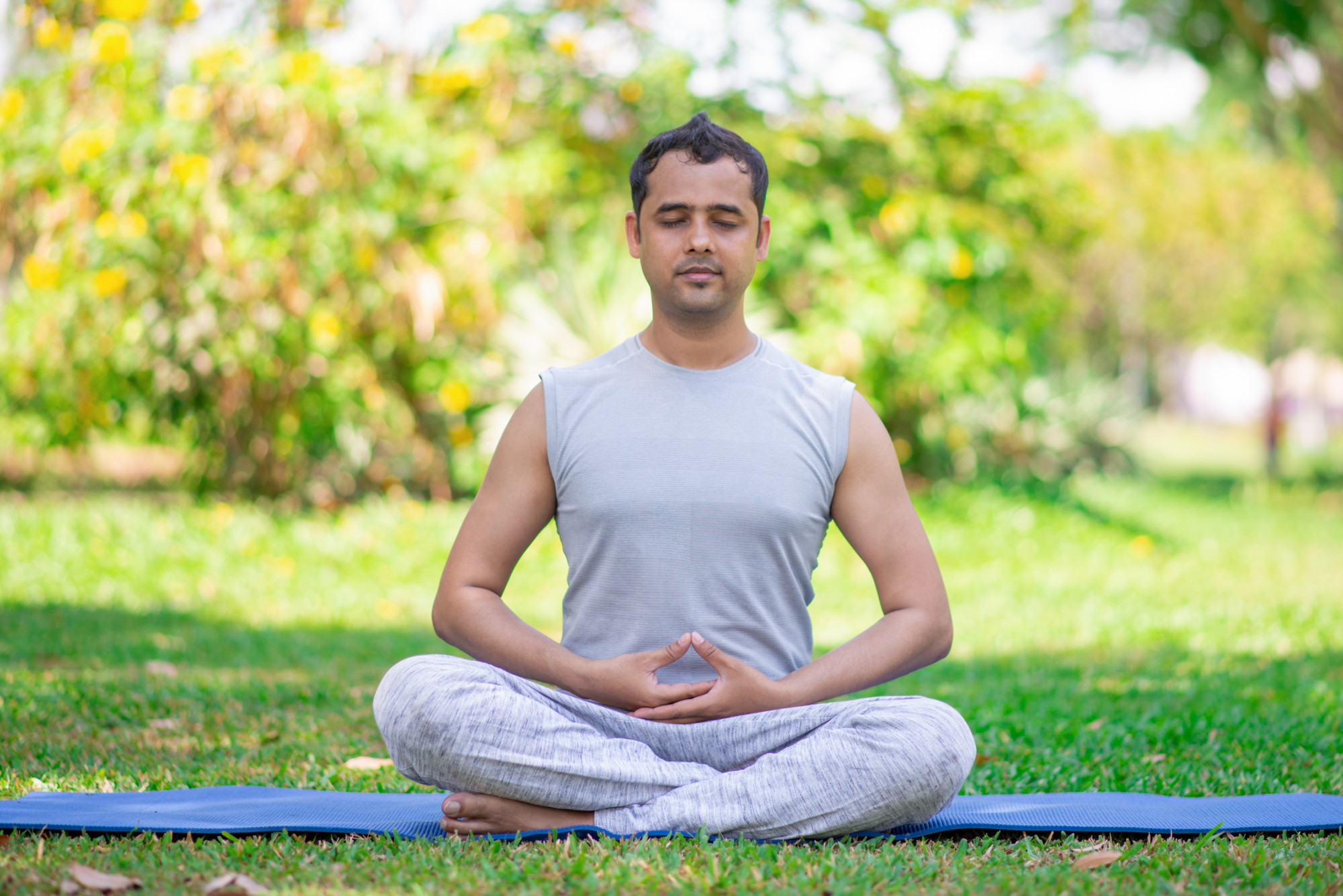
5. Easy Pose with Deep Breathing (Sukhasana)
Benefits: This simple pose helps you relax and clear your mind. Deep breathing is a natural way to reduce stress.
Precautions: If sitting on the floor is hard, use a chair instead.
6. Corpse Pose (Savasana)
Benefits: Savasana helps your body and mind fully relax. It is often used at the end of yoga for stress relief.
Precautions: If you have back pain, place a pillow under your knees.
Tips for Adding Yoga to Your Daily Routine
Even a short daily practice can make a big difference. Over time, you may notice less stress and more energy.
Lifestyle Guidance for Holistic Stress Management
Besides yoga, other healthy habits can help manage stress. For example, eating a balanced diet, getting enough sleep, and spending time outdoors all support your well-being. In addition, talking to friends or family can provide emotional support. Naturopathy suggests using natural methods, like herbal teas and mindful breathing, to relax your body and mind.
Prevention Strategies for Stress Buildup
By making small changes, you can prevent stress from building up. Remember, it is easier to manage stress before it becomes overwhelming.
Conclusion: Take the Next Step for Stress Relief
Yoga poses for stress relief are simple, natural, and effective. When you add them to your daily life, you support your mind and body. For best results, combine yoga with other healthy habits. If you need help, consult a certified yoga instructor or wellness specialist for personalized stress management guidance.