
Polycystic Ovary Syndrome (PCOS) is a common health problem that affects many women. It can cause irregular periods, weight gain, and hormonal changes. Because PCOS can impact daily life, many look for natural ways to manage it. For this reason, yoga and naturopathy have become popular choices. These approaches help improve health and support PCOS management. In this blog, you will learn about lifestyle changes for managing Polycystic Ovary Syndrome (PCOS) using yoga and naturopathy.
What is Polycystic Ovary Syndrome (PCOS)?
PCOS is a condition where the ovaries produce more male hormones than usual. As a result, small cysts may form on the ovaries. Many women with PCOS have symptoms such as:
According to the World Health Organization (WHO), PCOS affects up to 10% of women of childbearing age. Because symptoms can vary, some women may not know they have it.
Why Lifestyle Changes Matter in PCOS
Making healthy lifestyle changes is important for managing PCOS. For example, regular exercise and a balanced diet can help control weight and balance hormones. These changes may also lower the risk of diabetes and heart disease, which are linked to PCOS. In addition, healthy habits can improve mood and reduce stress. Therefore, focusing on lifestyle is a key part of natural PCOS management.
Yoga for PCOS Management
Yoga is a gentle form of exercise that helps the body and mind. Many women find that yoga for PCOS brings relief from symptoms. It can lower stress, improve hormone balance, and support weight loss. Some helpful yoga poses for PCOS include:
For best results, try to practice yoga for at least 30 minutes, three to five times a week. In addition, deep breathing and meditation can help reduce stress. Because stress can worsen PCOS symptoms, these practices are very helpful.
Naturopathy and Nutrition Tips
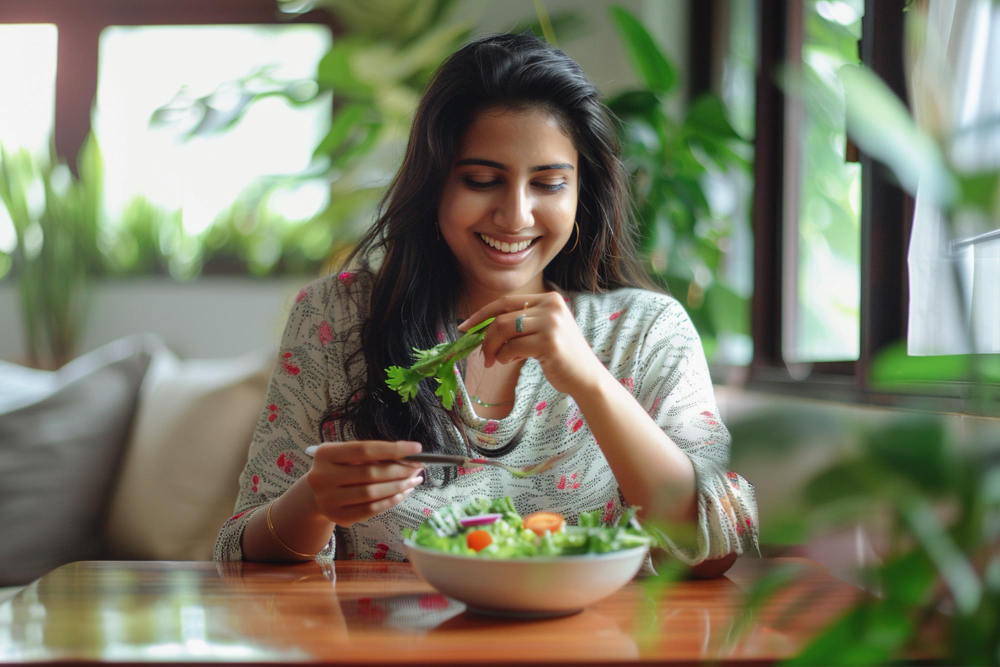
Naturopathy focuses on natural ways to support health. For PCOS, this means eating a balanced diet and using gentle remedies. Here are some PCOS nutrition tips:
Some women also find herbal teas, such as spearmint or cinnamon, helpful. However, always talk to a doctor before trying new remedies. Because every person is different, a personalized plan works best.
Daily Habits and Wellness Strategies
Besides yoga and diet, daily habits play a big role in PCOS lifestyle changes. Here are some wellness strategies to try:
Because small changes add up, try to build new habits slowly. Over time, these steps can make a big difference.
Prevention and Long-Term Management
Managing PCOS is a long-term process. For this reason, it is important to keep up with healthy habits. Regular check-ups with your doctor can help track progress. In addition, staying active and eating well can prevent complications like diabetes or high blood pressure. Remember, natural PCOS management is about balance and consistency.
In summary, lifestyle changes for managing Polycystic Ovary Syndrome (PCOS) can improve your health and well-being. Yoga, naturopathy, and good daily habits all play a role. For personalized PCOS management advice, consult a healthcare specialist.