
Introduction
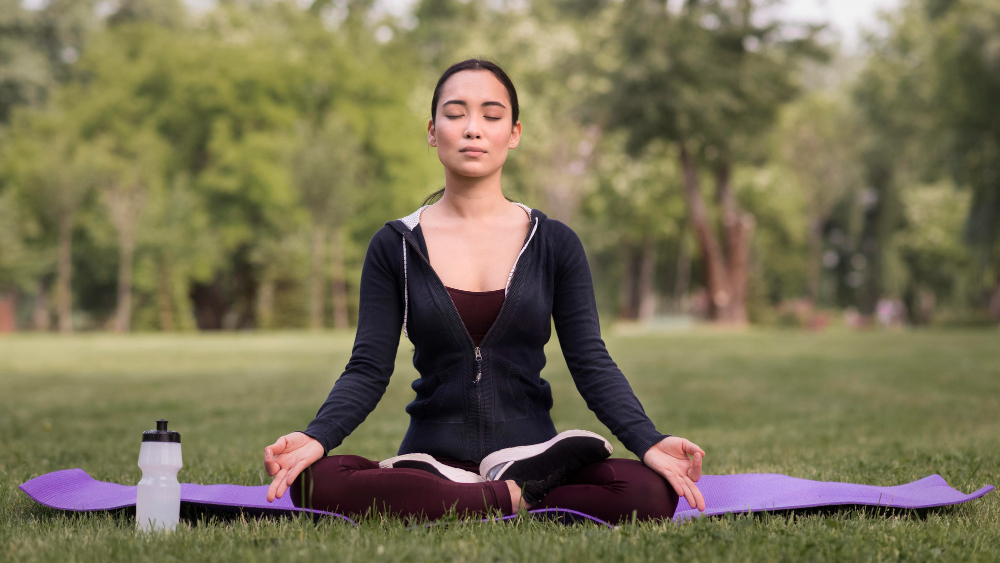
Many people wonder how breath can calm the mind. In yoga, the breath is not just a mechanical act of inhaling and exhaling; it is the bridge between body, mind, and energy. Modern research and ancient wisdom agree on this: when the breath slows and deepens, the mind becomes steady. This is why yogic breathing—prāṇāyāma—is used to relieve stress, balance emotions, and cultivate inner calm.
The Science of Breath
Breath is unique because it is both automatic and voluntary. We breathe without thinking, yet we can consciously change its rhythm and depth. This makes it a powerful way to influence the autonomic nervous system—the part of the body that regulates heart rate, stress hormones, and digestion.
- The Vagus Nerve: Slow, deep breathing activates the vagus nerve, which signals the body to relax. As a result, heart rate decreases, blood pressure steadies, and stress hormones reduce.
- Energy Flow (Prāṇa): In yoga, breath is the carrier of prāṇa, vital energy, through subtle pathways in the body. This energy links body and mind. When breath is balanced, prāṇa flows harmoniously, and the mind naturally calms.
- Mind–Breath Connection: Emotions instantly reflect in breath patterns (e.g., sobbing in grief, rapid breathing in fear). The reverse is also true—by altering breath, we can shift our emotional state.
Yogic Breathing Techniques
Yogic breathing (prāṇāyāma) refines how we breathe and brings awareness back to the present moment. Some practices include:
- Diaphragmatic Breathing
- Alternate Nostril Breathing (Nāḍī Śodhana)
- Box Breathing (Sama Vṛtti)
Each of these influences energy flow, balances the nervous system, and supports mental clarity.
Benefits of Breath Control
Regular practice of breath awareness and pranayama brings:
- Reduced stress and anxiety
- Lower blood pressure and steadier heart rhythms
- Better emotional balance and focus
- Improved sleep and mood stability
- A sense of inner clarity and calm
Modern research confirms that conscious breathing reduces sympathetic “fight-or-flight” activity while enhancing parasympathetic “rest-and-digest” responses. Yogic tradition adds that it refines prāṇa, opening the path for meditation and higher awareness.
Practical Tips for Daily Life
- Begin with 5 minutes of breath awareness each morning.
- Use slow breaths before meetings, exams, or difficult conversations.
- Pair pranayama with gentle asanas to release tension.
- Place reminders in your workspace to pause and breathe.
- Let breath awareness gradually become a natural habit.
Prevention & Lifestyle Guidance
Making breath practice a daily habit prevents stress-related problems, from hypertension to sleep issues. Yogis emphasize that breath shapes energy, and energy shapes both body and mind. By caring for your breath, you cultivate resilience, emotional stability, and overall well-being.
Conclusion
Breath is more than air—it is life’s rhythm. By learning to guide the flow of breath, you learn to guide the flow of your mind. Yogic breathing is not only a way to calm the mind—it is a way to rediscover balance, vitality, and inner peace.