

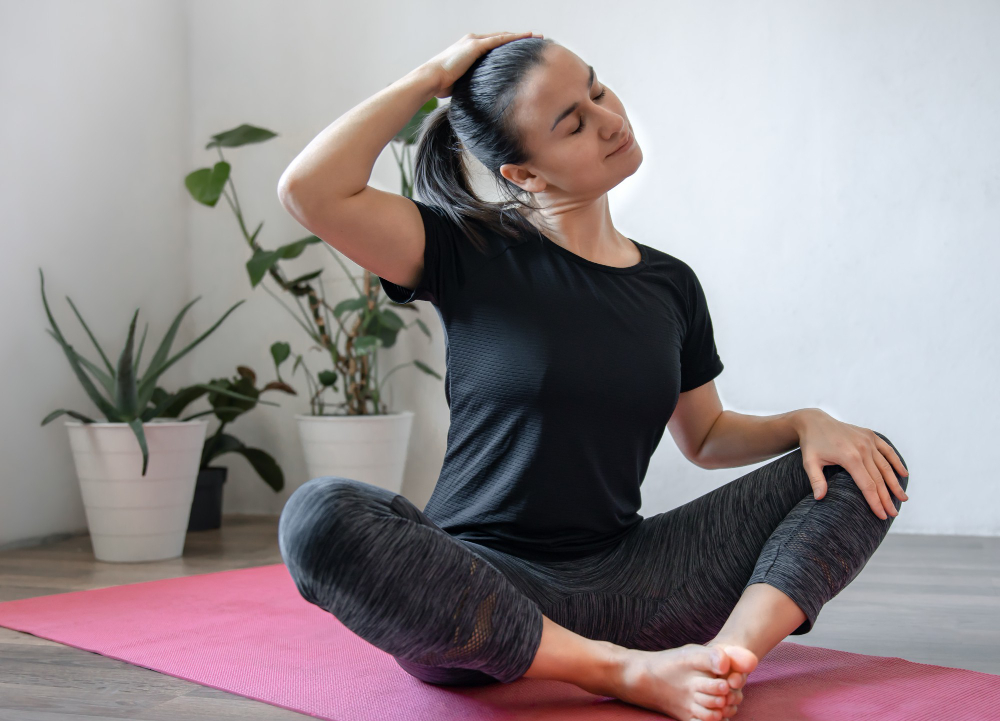
Introduction: Yoga for Migraine Relief
Migraines are strong headaches that can cause pain, nausea, and light sensitivity. Many people look for natural ways to feel better. Yoga for migraine is a gentle approach that may help reduce pain and stress. In fact, studies show yoga can lower headache frequency and improve quality of life. Let’s explore how yoga can help you find relief from migraines.
Symptoms of Migraine
Migraines can affect your daily life in many ways. For example, you might notice:
Sometimes, migraines last for hours or even days. Because of this, they can make it hard to work, study, or enjoy time with family.
How Yoga Helps with Migraine
Yoga for migraine works in several ways. First, it helps relax your body and mind. Deep breathing and gentle movements can lower stress, which is a common migraine trigger. Also, yoga improves blood flow and eases muscle tension in the neck and shoulders. According to research published in the journal Neurology, people who practiced yoga had fewer and less severe migraines. In addition, the World Health Organization notes that regular exercise, like yoga, supports overall brain health.
Best Yoga Poses for Migraine Relief
Certain yoga poses are especially helpful for migraine relief. Always move gently and stop if you feel pain. Here are some of the best yoga poses for migraine:
1. Child’s Pose (Balasana)
This pose calms the mind and eases tension.
2. Legs-Up-the-Wall Pose (Viparita Karani)
This pose helps improve blood flow and relaxes the body.
3. Cat-Cow Pose (Marjaryasana-Bitilasana)
Cat-Cow stretches the spine and eases neck tension.
4. Seated Forward Bend (Paschimottanasana)
This pose calms the nervous system and reduces stress.
Safety Tips
Lifestyle and Wellness Tips
Besides yoga, healthy habits can help manage migraines. For example, try these wellness tips:
In addition, tracking your migraine triggers can help you avoid them in the future.
Prevention and Self-Care
Preventing migraines is possible with a few simple steps. For instance:
By making these changes, you may reduce how often migraines occur and how strong they feel.
When to Seek Medical Advice
While yoga for migraine can help, it is important to know when to see a doctor. Seek medical advice if you:
Doctors can help find the best treatment plan for your needs.
Conclusion
Yoga for migraine offers a natural way to find relief and improve well-being. By practicing gentle poses and healthy habits, you may reduce migraine pain and stress. However, always consult a healthcare professional before starting any new exercise routine, especially if you have chronic migraines.