
Introduction
Anxiety neurosis, also called generalized anxiety disorder, is a state where worry and restlessness become constant companions. It is not only the mind that suffers—sleep, digestion, and overall energy are often disturbed. Healing begins when we return to the most immediate tools available to us: the body and the breath. By becoming aware of how we move, breathe, and feel, we restore a sense of safety within ourselves. This awareness forms the foundation of yoga therapy for anxiety and supports long-term resilience.
Understanding Anxiety in the Body–Mind System
Anxiety does not remain in the mind alone—it imprints itself on the body: shallow chest breathing, tight shoulders, a racing heartbeat, tense muscles, or an uneasy stomach. When the body remains in this “on guard” mode, the nervous system is caught in a cycle of hyper-alertness.
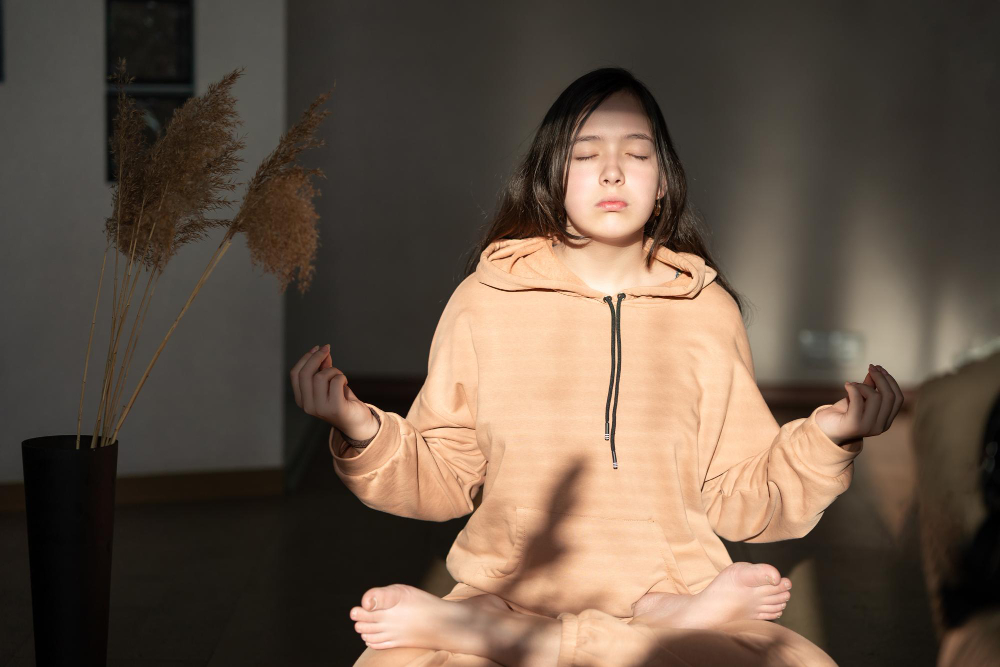
The key to breaking this cycle lies in the body–breath connection. Breath is both voluntary and involuntary, which means it can bridge conscious awareness with unconscious patterns. By gently guiding the breath, we signal to the body that it is safe, and the mind follows.
The Role of Breath in Calming Anxiety
Breath influences energy, emotions, and thought patterns in a profound way:
- Balancing the Nervous System: Slow, rhythmic breathing activates the body’s relaxation pathways. This lowers heart rate, steadies the pulse, and reduces stress hormones.
- Shaping Energy Flow: In yogic understanding, breath carries vital energy through subtle channels. When breathing is irregular or shallow, this energy flow is disturbed, leading to agitation of mind. Balanced breathing restores harmony, grounding both body and emotions.
- Clearing Mental Restlessness: Emotions such as fear or worry are reflected in breath patterns. By consciously changing the breath, we can interrupt these loops and create space for steadiness.
Yoga Therapy Practices for Reconnection
Reconnecting with body and breath can take simple, gentle forms. A yoga therapist may suggest:
- Abdominal Breathing to shift energy from the chest to the diaphragm, creating a natural calming effect.
- Alternate Nostril Breathing to balance left–right brain activity and regulate mental agitation.
- Gentle Asanas like forward bends, supported supine postures, or restorative poses that ease nervous tension.
- Guided Relaxation or Body Scan to release unconscious holding in the body.
- Mindful Walking or Movement to anchor awareness in rhythm and step.
Each practice is an invitation to be present, to notice sensations, and to breathe into them without resistance.
Lifestyle Anchors for Anxiety Relief
Along with specific practices, daily choices play a significant role in calming anxiety:
- Eating fresh, light, and nourishing meals at regular times supports digestion and steadies emotions.
- Maintaining consistent sleep routines restores balance to the nervous system.
- Spending time in nature and sunlight uplifts mood and energy.
- Limiting stimulants such as caffeine helps prevent further nervous system overstimulation.
- Creating small pauses during the day—breathing breaks, mindful sips of water, or short walks—allows stress to release gradually instead of building up.
Conclusion
Anxiety neurosis can feel overwhelming, but healing begins in simple, accessible ways. By reconnecting with the body and breath, we learn to listen inwardly, regulate the flow of energy, and create steadiness in both mind and emotions. Over time, this practice transforms anxiety from a constant burden into an opportunity for greater awareness and balance.
Yoga therapy shows us that the breath is not only a physical function but also a profound tool for self-regulation and healing. Returning to it again and again, we rediscover a calm space within—always available, always steady.