
Anxiety and Disconnection: How Reconnecting with Your Body and Breath Can Help You Heal
Coping with anxiety neurosis can feel like being caught in a loop of restlessness, overthinking, and unease. Even simple tasks start to feel overwhelming. While medications and external support are helpful, one of the most direct and natural tools for calming the mind lies within us — the breath.
In states of anxiety, we often feel disconnected — from the body, from the moment, and from ourselves. Reconnecting through the breath offers a gentle, steady path back to balance.
Why Breath Matters in Anxiety
When anxiety takes over, the breath often becomes shallow and fast. This pattern keeps the mind in a state of alertness and tension. Bringing attention to the breath helps slow down the inner agitation. It settles the nervous system, quiets internal noise, and creates space for clarity and calm.
In Ayurveda, this is similar to balancing excess movement and irregularity in the system. Breath becomes the anchor that restores rhythm, warmth, and grounding through regular, mindful attention.
Simple Yogic Breathing Practices for Anxiety
These time-tested practices are gentle, accessible, and deeply nourishing. They help bring awareness back to the body and mind, one breath at a time.
1. Sama Vritti (Equal Ratio Breathing)
This practice involves making the length of inhale and exhale the same. It helps balance the system and quiets the mental restlessness.
Try inhaling for 4 counts and exhaling for 4 counts. Breathe softly and without force.
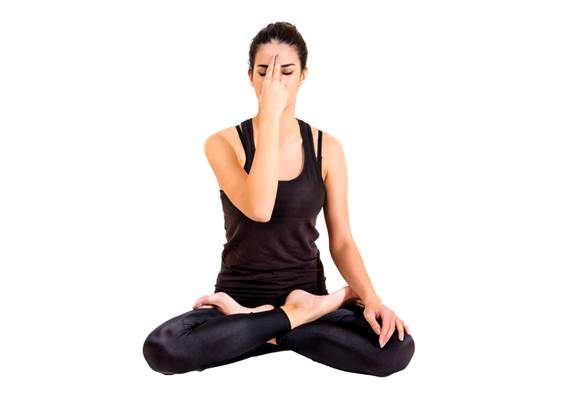
2. Nadi Shodhana (Alternate Nostril Breathing)
This cleansing breath balances the left and right energy channels in the body. It promotes clarity, steadiness, and inner balance.
Begin with a few rounds, allowing the breath to flow smoothly without effort.
3. Diaphragmatic or Belly Breathing
This simple practice helps guide the breath into the abdomen. It supports deep relaxation and helps calm the upper chest and mind.
Breath as a Bridge Between Mind and Body
When anxious, the mind often pulls us into thoughts of the future or fear of the unknown. The body, however, exists only in the present. When we bring our awareness to the breath and body, we gently return to what is real — the here and now.
These breath-based practices restore that lost connection, helping us feel steady, safe, and more in tune with ourselves.
Supportive Tips to Begin
– Choose a quiet time — early morning or before bed is ideal
– Begin with 3–5 minutes of any one practice
– Sit upright or lie down in a restful pose like Savasana or Supta Baddha Konasana
– Let the breath guide you — no need to control or force it
– Be consistent, even if the practice is short
When and Who Can Practice
These practices support anyone experiencing anxiety or emotional restlessness. They can be used during stressful moments, after emotional triggers, or simply as part of your daily rhythm to stay connected and calm.
Conclusion: The Healing Power of Breath
The breath is always with us — quiet, faithful, and steady. When we learn to meet it with awareness, we begin to return to ourselves. Reconnecting with the breath is not just a practice. It is a remembrance of who we are beyond anxiety and noise — stable, clear, and whole.
Begin with just a few breaths. Let each breath guide you home.